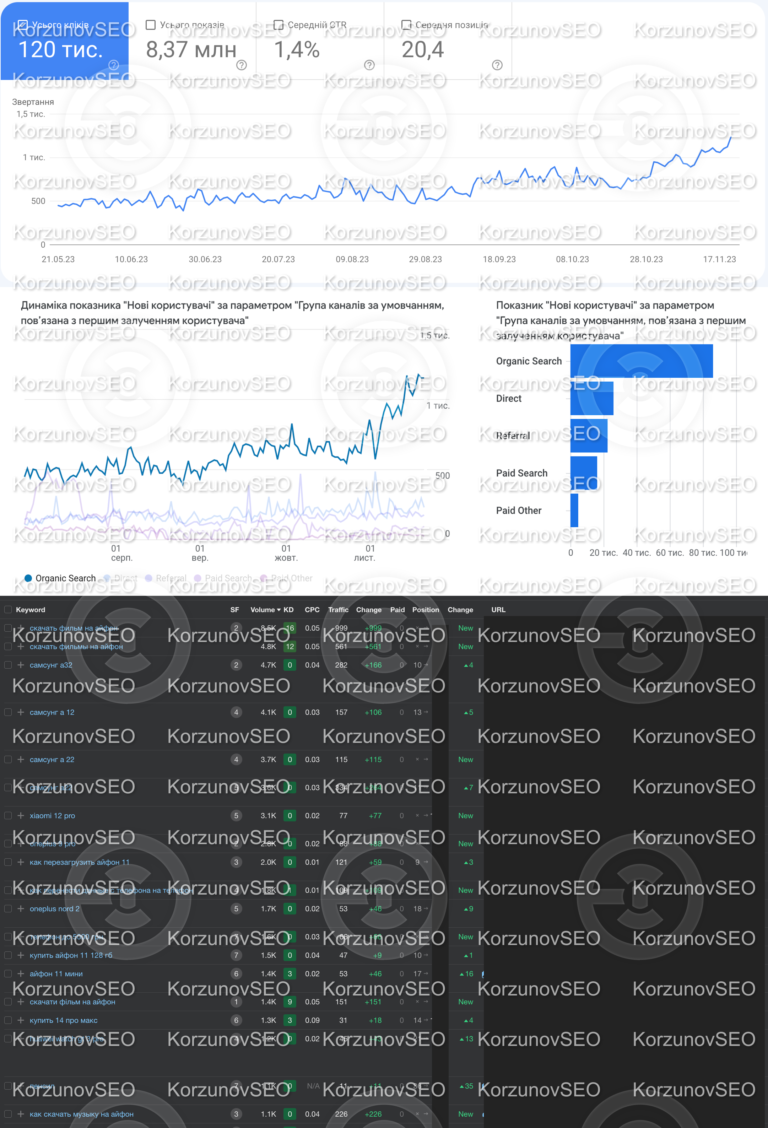
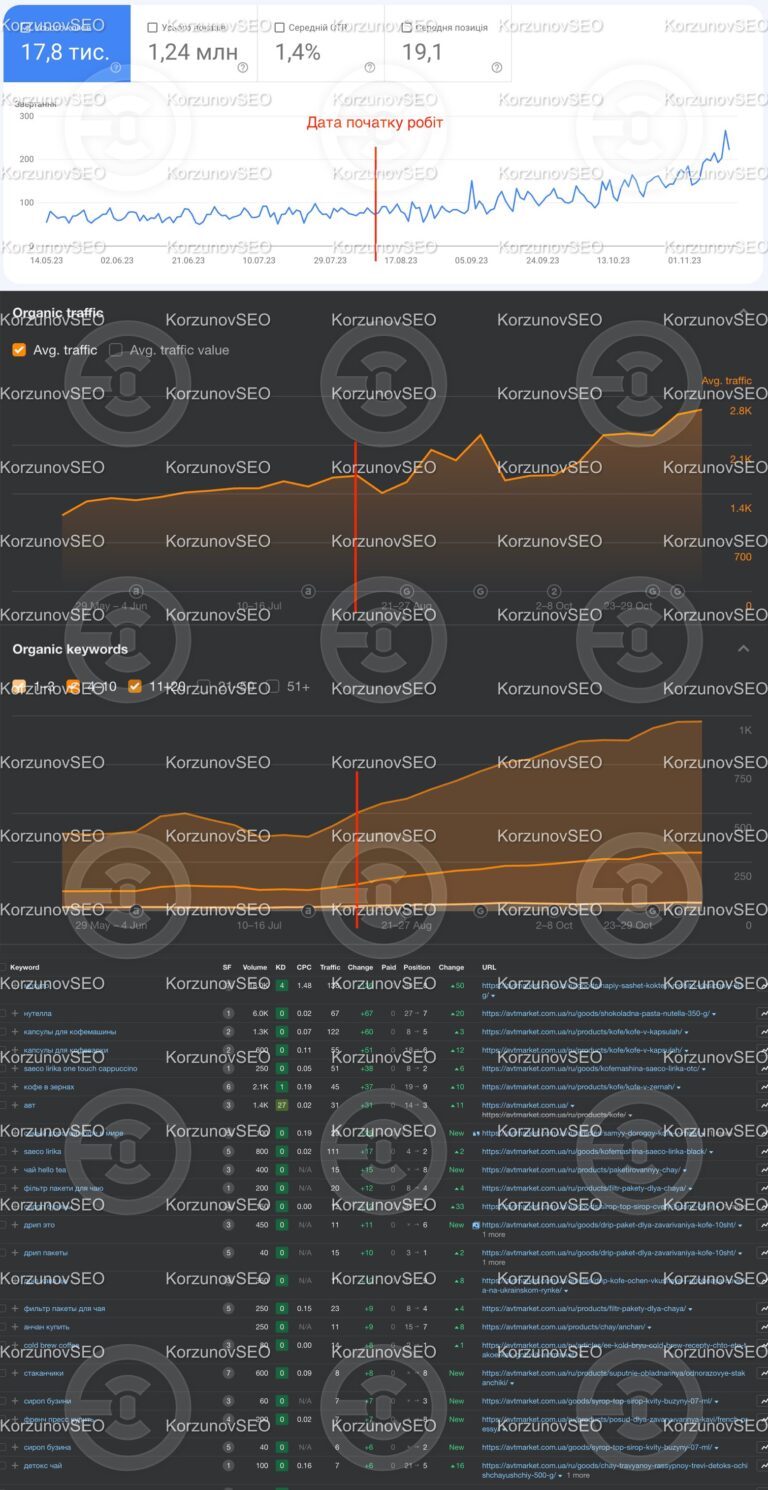
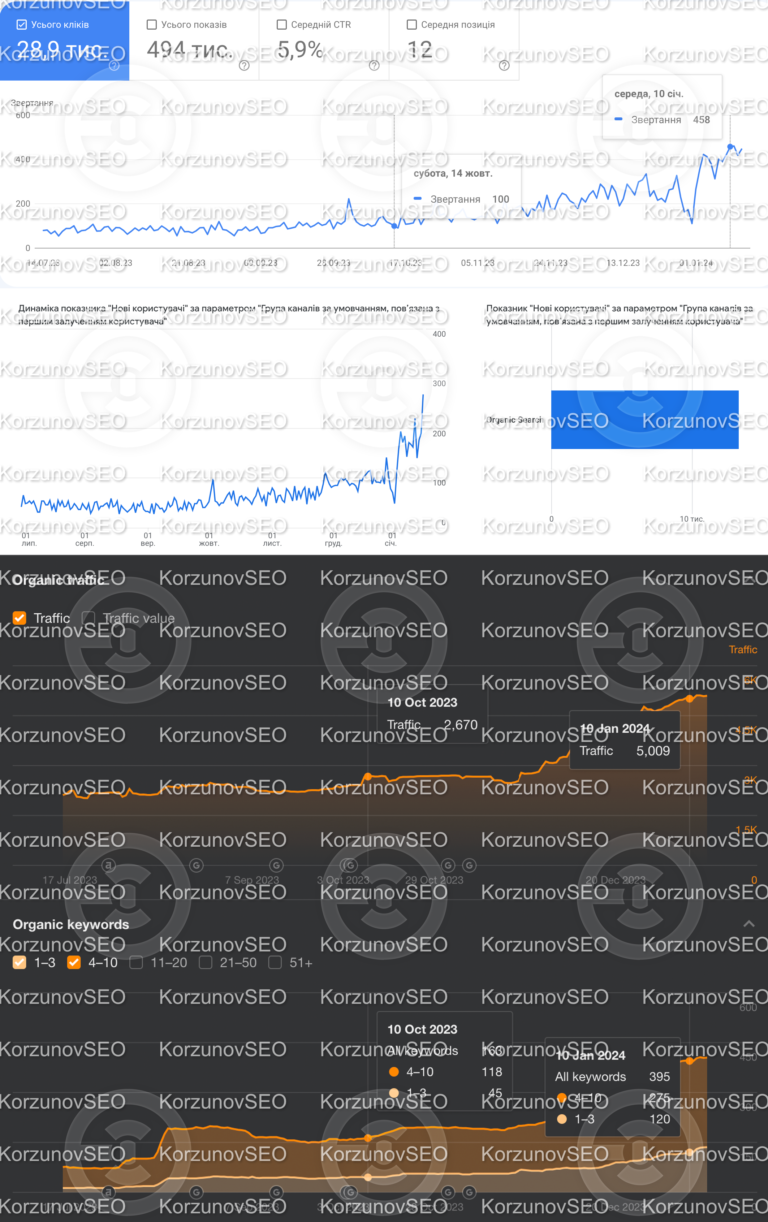
Magento is a CMS for large online stores with complex catalogs, a large number of products, attributes, categories, and language or regional versions. However, SEO promotion for such a store should begin not with mass-filling meta tags, but with fixing common critical issues: uncontrolled indexing of filters, duplicate products and variations, unnecessary URLs, and missing landing pages.
In Magento, I separately check how Google sees categories, filters, brands, products, and language versions. If many technical pages are indexed while important categories or product groups do not have dedicated landing pages, a website can have a large catalog but weak organic visibility. That is why the first step is to put the structure and indexing in order, and only then scale the content.
Magento CMS Features
Magento is designed for large catalogs and complex store logic. It allows you to manage categories, products, attributes, brands, prices, inventory, multiple storefronts, languages, regions, user roles, and different checkout scenarios. This gives businesses control over the catalog and makes it possible to grow the store without moving to another platform as the product range expands.
One of Magento’s strengths is support for multiple stores or regional versions within a single system. From an SEO perspective, this is convenient when catalogs, prices, languages, or domains need to be separated while keeping a unified business logic. When implemented correctly, separate landing pages can be built for regions, languages, and different types of search demand without duplicating the entire catalog.
Compared with OpenCart, Magento is better suited for large catalogs, complex pricing rules, multiple storefronts, and integrations with CRM or ERP systems. OpenCart is often easier to launch and cheaper to maintain, but scaling the store may require more custom development. Magento offers greater control, but it also requires a stronger technical team.
Compared with PrestaShop, Magento offers more options for complex structures, roles, regions, multiple storefronts, and custom sales logic. PrestaShop is generally easier to configure for a small or medium-sized store, while Magento is more appropriate when scalability, integrations, and detailed catalog management are important.
Compared with WordPress and WooCommerce, Magento is better adapted to large e-commerce projects where the store is a complex standalone system rather than an extension of a content website. At the same time, WordPress is simpler for a blog or a small catalog, so the choice of platform depends on the size of the store, the number of integrations, and future growth plans.
For SEO, all of these capabilities need to be connected to actual search demand. Categories, attributes, filters, product variations, and language versions should create a clear structure rather than a large number of pages with no unique value.
When Magento Store SEO Is Needed
SEO for Magento is needed when the catalog is large but the search structure does not keep up with the product range. A store may have hundreds or thousands of products, while the main demand is not covered by dedicated categories, brand pages, attribute pages, or filter pages. In this situation, Google sees many technical URLs but not enough strong commercial pages.
Another clear signal is when Google Search Console contains significantly more excluded, non-indexed, or duplicate URLs than useful pages in search. In Magento, this is often related to layered navigation, product combinations, sorting, parameters, incorrect canonical implementation, or duplicated language versions.
SEO is also necessary after a migration, redesign, theme change, module update, or the launch of new store views. Such changes may affect URLs, redirects, the sitemap, website speed, indexing rules, and the connection between language versions. If these elements are not checked, the store may lose traffic even if the product range remains unchanged.
Another common scenario is catalog scaling, adding new regions, or connecting new integrations. Before doing this, it is important to determine which categories and product groups should be developed, which filters have search demand, and which URLs should be restricted so the number of technical pages does not continue to grow.
At the beginning, I assess not a separate list of keywords but the overall logic of the store: which pages should attract customers, which ones create duplicates, where content is needed, and where changes are required in the theme, modules, or server-side logic.
What Is Included in Magento SEO Work
Magento SEO work covers not only meta tags but the entire catalog structure. After the audit, the client receives a prioritized list of tasks related to indexing, catalog structure, content, website speed, and the technical team.
| Type of Work | Description | Purpose |
|---|
| Catalog Structure Audit | Review of categories, subcategories, attributes, brands, products, and the relationships between them. | To make the catalog match search demand and remain clear for both customers and Google. |
| Indexing Control | Review of the sitemap, robots.txt, noindex directives, canonical tags, redirects, and excluded pages in Google Search Console. | To keep useful pages in search while preventing technical URLs from competing with each other. |
| Filters and Layered Navigation | Separating filters into useful landing pages and technical combinations with no standalone value. | To develop pages for real search demand without creating thousands of duplicates. |
| Landing Pages | Creating a list of missing categories, brands, attributes, regions, and product groups that the store needs. | To cover commercial search queries with dedicated relevant pages. |
| Meta Templates and Headings | Configuration of title tags, descriptions, H1 headings, and templates for categories, products, brands, and filters. | To make pages clearly explain their purpose and avoid large-scale duplication. |
| Product Pages | Optimization of names, descriptions, attributes, images, variations, and relationships with categories. | To make products more relevant to search queries and support sales from organic search. |
| Speed and Mobile Version | Review of themes, modules, images, caching, and how the store is displayed on smartphones. | To prevent technical quality from limiting visibility and conversion. |
| Internal Linking | Configuration of links between categories, products, brands, articles, and priority landing pages. | To pass authority to important pages and simplify navigation. |
| Store Views and Language Versions | Review of URLs, canonical tags, hreflang, and content for different languages, domains, or regions. | To prevent versions from duplicating each other and ensure they reach the correct audience. |
| Technical Specifications | Preparation of specific development tasks related to the theme, modules, URLs, filters, and website speed. | To ensure SEO recommendations can be implemented and verified correctly. |
Tasks are implemented by priority: indexing and duplicate issues first, then structure and landing pages, followed by content, meta templates, internal linking, and scaling.
Disadvantages of Magento CMS for SEO
Magento is not a closed website builder: with access to the code, virtually any SEO change can be implemented. Its disadvantages for SEO are usually related to the complexity of the system, the large number of dependencies, and the cost of mistakes rather than an inability to make changes.
The platform is more complex and expensive to maintain than OpenCart, PrestaShop, or WordPress with WooCommerce. Some changes require developers who understand Magento, so even a relatively small SEO adjustment can have a longer implementation cycle and require testing across multiple storefronts.
Layered navigation, parameters, sorting, configurable products, and language versions can generate many technical URLs. They can be controlled, but this requires separate configuration of indexing rules, canonical tags, the sitemap, and internal linking rather than simply enabling a module.
Heavy themes, Page Builder, third-party modules, and integrations can reduce store performance. This is especially noticeable on large catalogs, where technical changes need to be coordinated with business logic, caching, feeds, and the checkout process.
Magento is therefore a strong solution for large and complex stores, but it is not always economically justified for a small catalog. If a business does not need multiple storefronts, complex integrations, or custom sales rules, a simpler CMS may deliver results faster and require fewer SEO resources.
Order SEO Promotion for a Magento Website
To receive an SEO proposal with a detailed work plan, contact me directly using the contact details provided on the website. The cost of Magento SEO promotion depends on many factors, including the website niche, target location, competition for relevant search queries, and other factors. After reviewing your website, I will provide you with a detailed proposal.
Magento FAQ